
Opportunity, Not Fallback
A Case for the Cabinet Trade
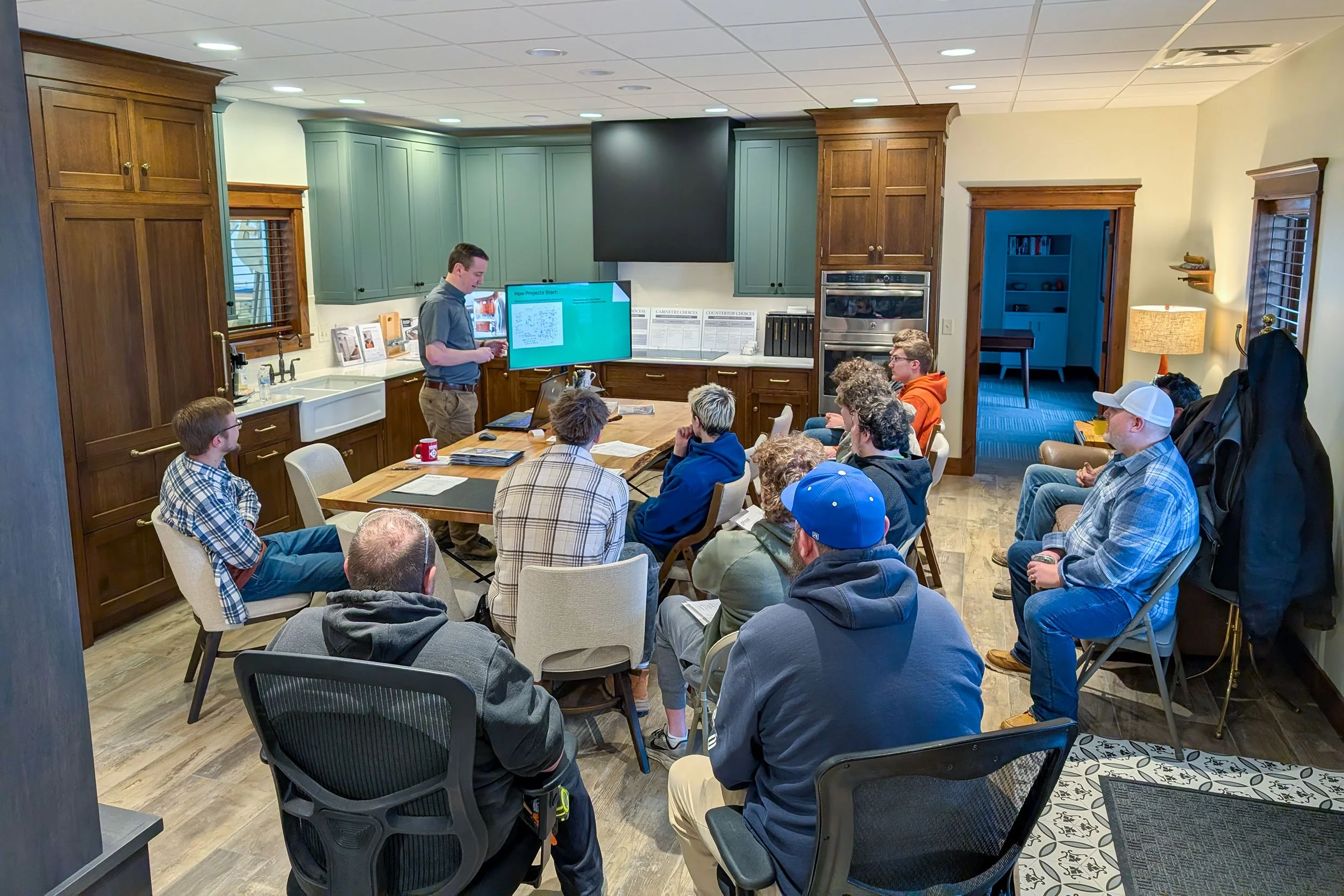
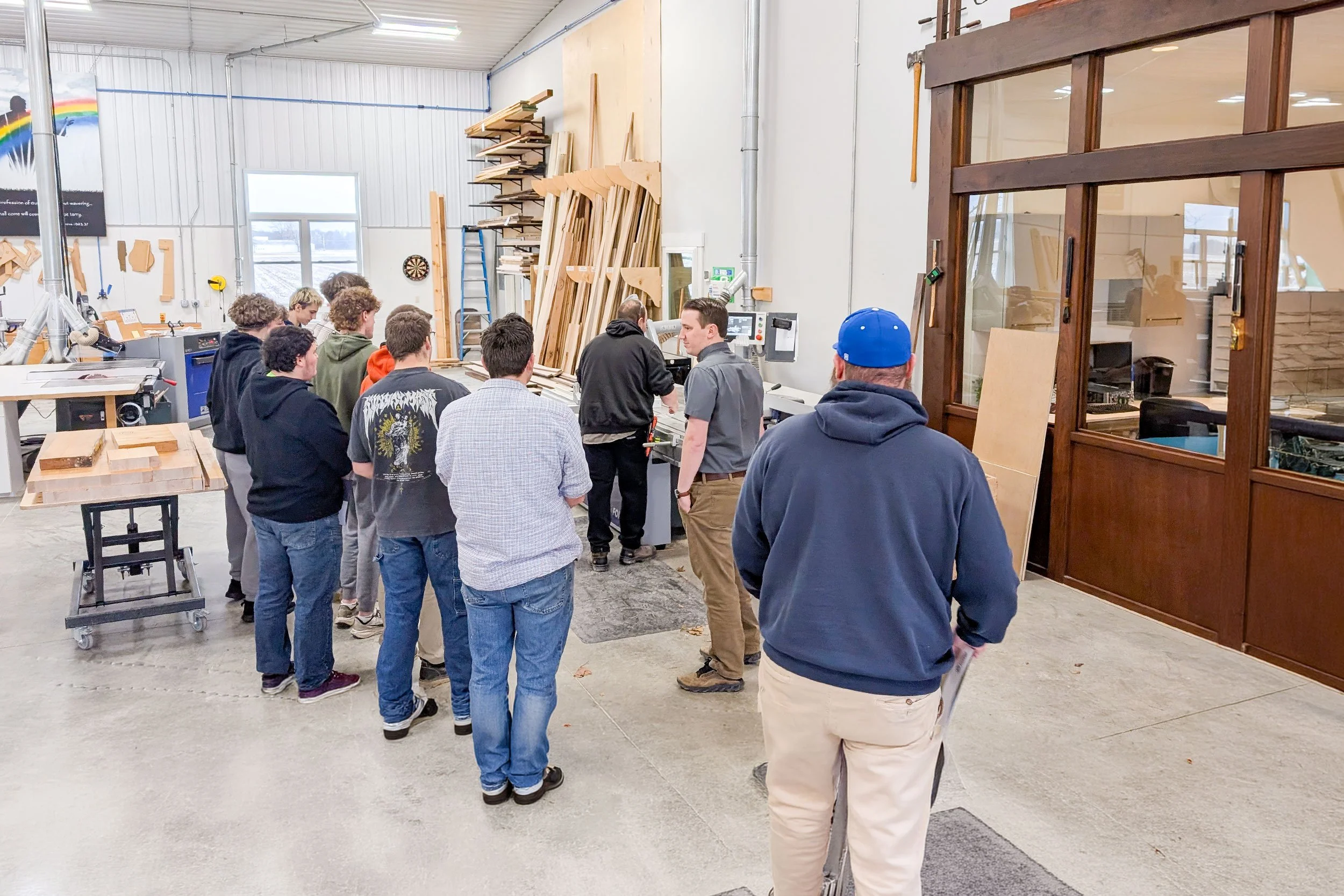
Earlier this year, the Construction Tech teacher at our local high school reached out to ask if his class could come out to the shop for a behind-the-scenes look at the cabinet trade. We said yes, but I'll admit we didn't expect much more than a polite group of kids who were more interested in their phones than in anything we had to show them. But that isn't what we got! They were engaged and respectful; they asked good questions, and they seemed genuinely interested in how it all fit together. We talked through the difference between cabinetry and millwork, what makes our corner of the trades distinctive, and the very real career opportunities waiting in it. Using an in-progress job as an example, we explored the life of a kitchen project: first the idea phase, then drawings and renderings, all the steps in production, and then final assembly. After the tour and thanks to courteous local builder Josh Florkey of Florkey’s Custom Builds, they were even able to visit the home under construction to see where the finished product would be installed, completing the journey.
I’ve thought about that morning several times since, partly because I love this craft and partly because, like many in this industry, I want to see the next generation enter the woodworking trade.
Ask around, and it won’t take you long to figure out that shop owners will often say that their number one challenge is finding skilled workers. This isn’t a false perception; recent data says our corner of the trades has more reason for concern than most. In early 2026, an industry survey surveyed 500 U.S. construction and trades professionals. Respondents were asked which trade they thought the skills shortage would hit hardest. They didn't name electricians or plumbers first. They named carpenters and woodworkers ahead of both. The trade that produces the surfaces a client actually sees and touches is the one the industry expects to lose the most ground. Broader data backs this up as well; construction needs an estimated 349,000 net new workers in 2026 just to keep labor supply and demand in balance, a figure that climbs toward 456,000 in 2027, and most of that traces back to retirement, not demand from new building (Associated Builders and Contractors, Jan. 2026).
It’s not just an employee shortage; we're short on skilled workers, and in a trade built on craft, this should make us sit up and pay attention. Read these stats one way, and they are a warning to every shop owner in the country. Read them another way (the way I hope a seventeen-year-old reads them), and the woodworking trade becomes one of the widest open doors in the American economy.
So what can we do to help the next generation discover the satisfaction that can be found and the very real career opportunities in the woodworking trade? What are some key pieces of information that they need to know?
“Real-world connections help students understand that the trades offer rewarding, respected, and financially viable career paths.”
The Trades Pay
Over 18 years ago, Mike Rowe began to talk about how the trades would soon start paying better than average white-collar work, and it turns out he wasn’t wrong. Data from the Bureau of Labor Statistics states that wages in the building trades generally run well above the national median wage, often averaging 19% higher. Additionally, a person in the building trades can start earning higher wages sooner than a college graduate, often two to three years sooner, and usually without the millstone of debt to weigh them down. Among the building trades, woodworking is one of the highest-paying sectors that requires no further education, apprenticeships, or certifications, making it an excellent opportunity for those exploring career opportunities.
There’s a Stable Job Landscape
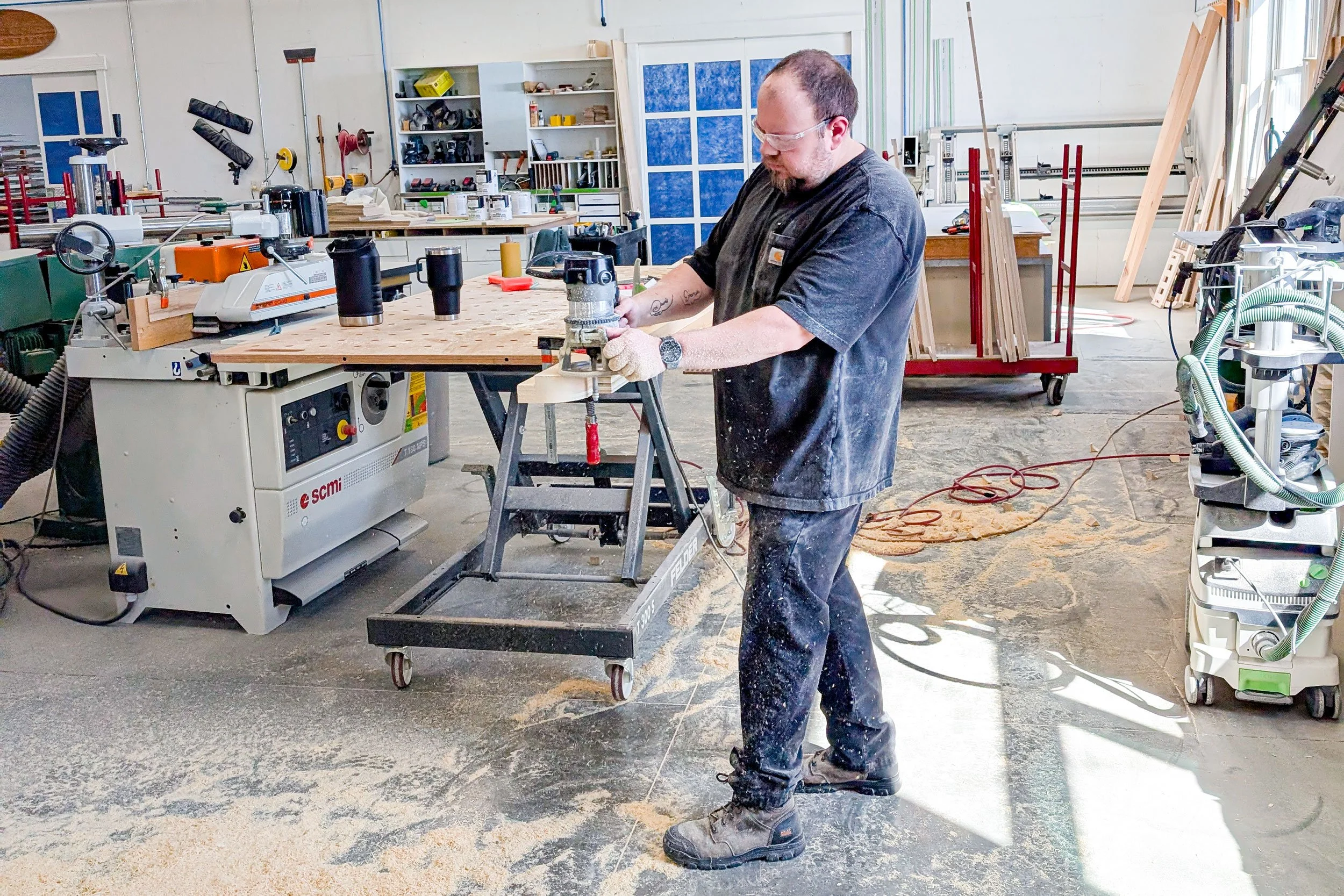
Because of its physical, tactile nature and the very here-ness of it, this type of work can’t really be offshored or handed to a computer. You can't install a kitchen from another country, and no software is going to hang a cabinet level and true. While a great deal of our office work is being reshaped by AI, and automation is changing many tasks, our trade still needs a human being doing the work, and the workers who become skilled will find themselves in high demand.
It’s a Distinctive Trade
Now, “the trades” is a big tent, and they are all honorable. But for those of us in the woodshop, our corner of the trades is distinct, and that distinction is worth naming, both to attract the right young people and to remind ourselves what we actually do.
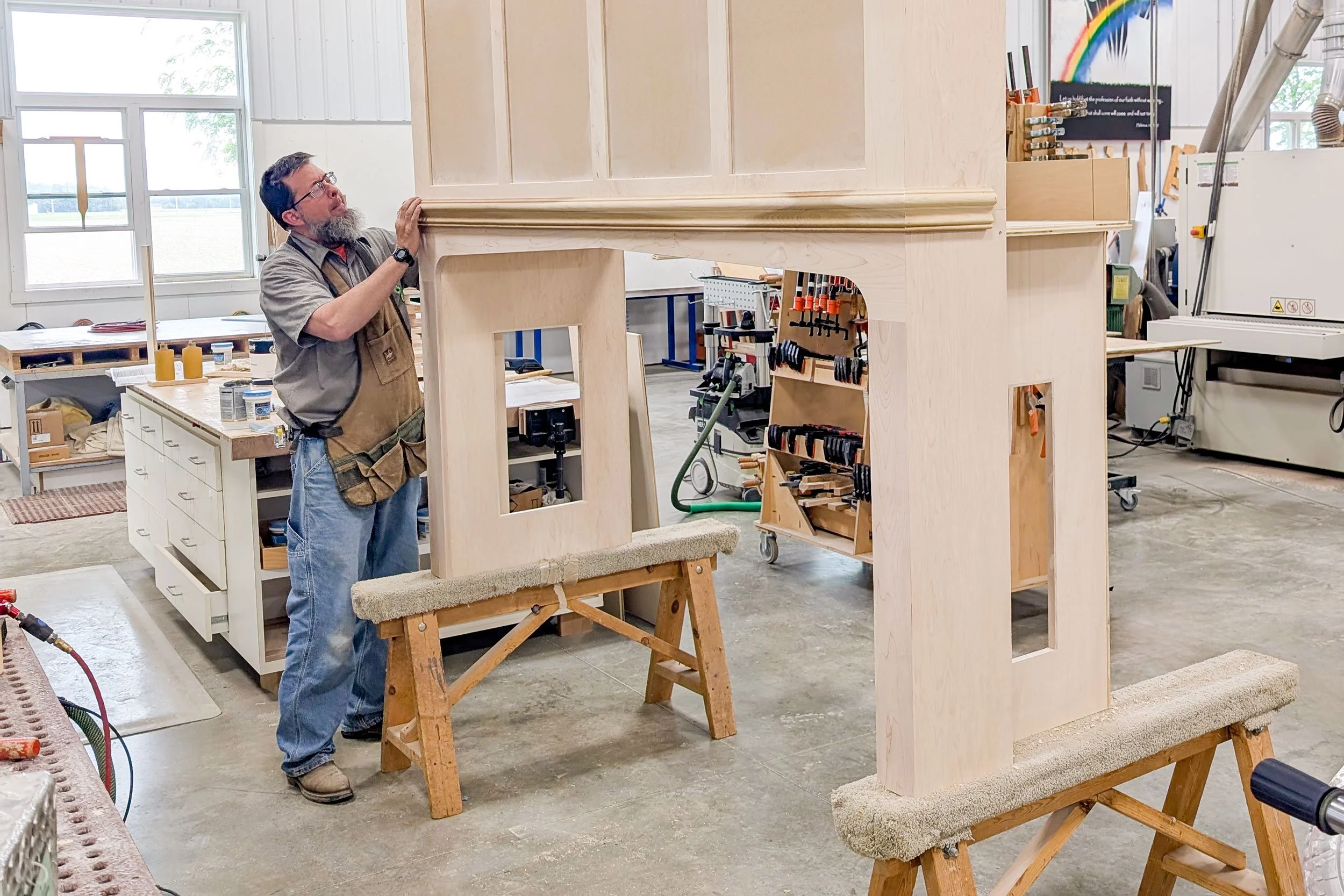
Think about the fact that most of the trades install systems engineered and built elsewhere, such as wiring, plumbing, and A/C units. This is all skilled, essential work that well and truly keeps our lights on. But a cabinetmaker doesn't just install a product. We make the product itself, taking it from raw materials to the finished piece installed in someone's home or business.
Most trades focus on function: power, water, climate control, and structure. We have to deliver function and beauty at the same time. A cabinet has to work well, yet it has to be worth looking at every day for twenty years. That means we have to think like a craftsman and a designer at once. Not only do we have to do that, but most trades hide their work behind walls and ceilings, and ours is the opposite. Cabinetry is seen each and every day, touched constantly, and judged up close by the people who live with it, and there are very few places to hide a mistake. This may look like a lot of pressure, but it's also exactly why the work is so satisfying when done well.
Woodworking is a trade for people who care deeply about precision, beauty, and lasting quality, not just getting something to basically function. Perhaps that's why our trade landed at the top of that industry survey’s shortage list. The same things that make cabinetry special - it's visible, it's judged up close, and it depends on real craft - are exactly what make it impossible to fake with a crew that is stretched thin.
Our trade isn't fragile; it's demanding, and demanding work needs people who actually care. It's also, increasingly, a high-tech trade. For example, during the tour of our shop, in the same morning those students watched a craftsman work by hand at the bench, we showed them photorealistic renderings; they watched our CNC router run, and we discussed robotics applications.
If you're a young person who likes computers and likes creating things and working with your hands, there aren't many careers that want all of you. This one does.
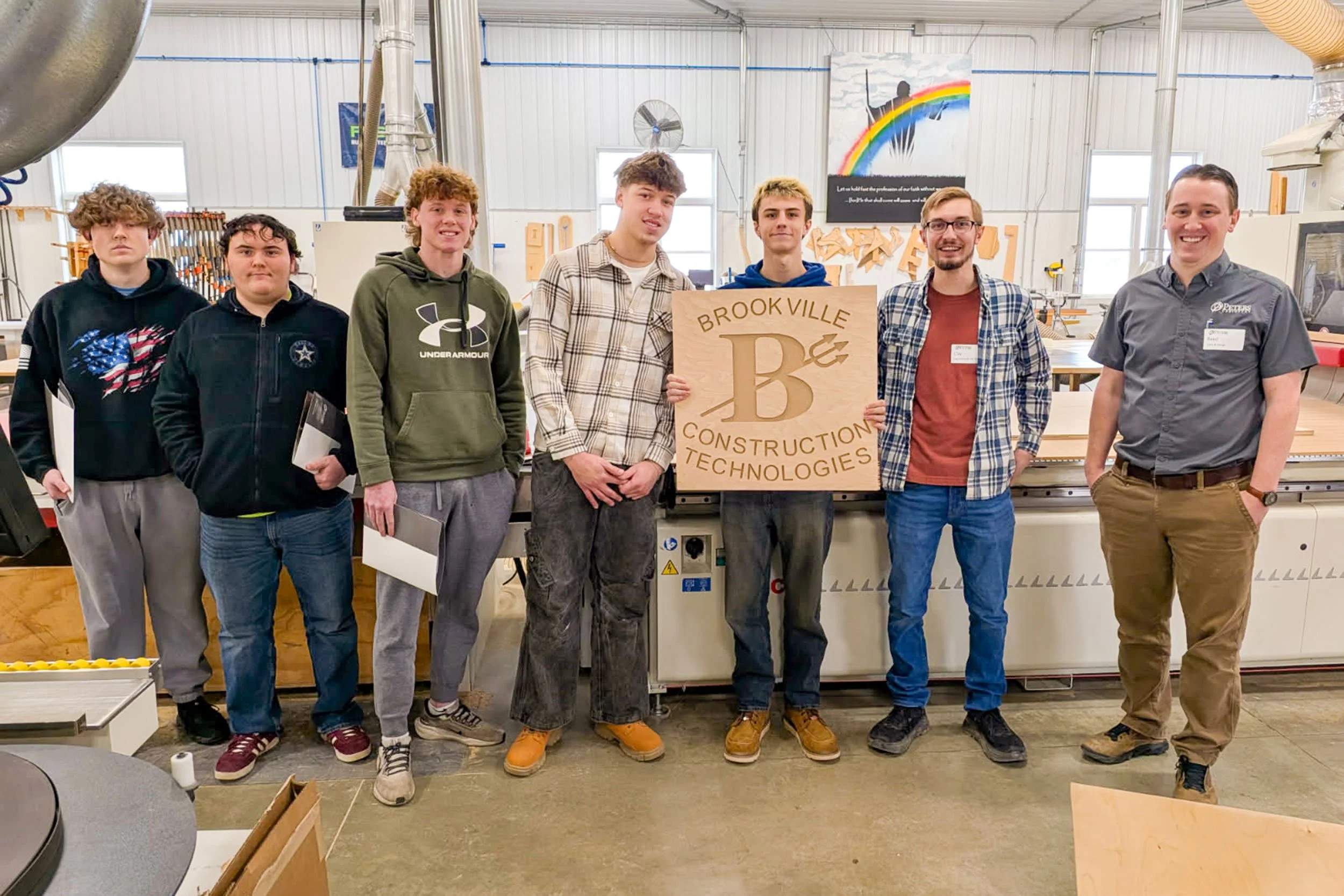
So, returning to that morning: if you run a woodshop and you want to inspire the next generation, and eventually hire them, consider opening your doors to a class or getting to know your local trade school. A little lost production time is a small price for a young person discovering what this trade can be, and the one you inspire might just become your best hire ever. The note I received from their teacher afterward says it better than I can:
“Experiences like our visit to your shop give students something they just can’t get in a classroom. They see firsthand the craftsmanship, technology, and problem-solving that go into producing high-quality custom cabinetry and millwork. More importantly, they meet professionals who have built successful careers in the skilled trades. Those real-world connections help students understand that the trades offer rewarding, respected, and financially viable career paths. Opportunities like this are invaluable in helping the next generation discover their potential.”
- Construction Tech teacher Jeremy McGhee
